


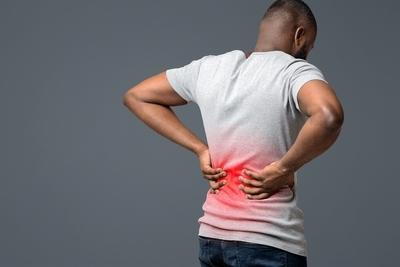
The Connection Between Core Strength and Lower Back Stability
At Dr. J Chiropractic and Wellness Center in Nitro, WV, Dr. Jay McClanahan, DC, often sees patients struggling with persistent lower back discomfort. While many people think of the lower spine as the primary area to target for relief, the core muscles are important contributors to spinal stability. Understanding how core strength supports the spine can help prevent injury, reduce pain, and improve functional movement.
Why Core Strength Matters for the Lower Back
The term “core” refers to the muscles surrounding the trunk and pelvis, including the abdominals, obliques, spinal stabilizers, and even the glutes. These muscles work together to support your spine during both movement and at rest. When the core is weak, the lower back often compensates, bearing more stress during lifting, bending, or even prolonged sitting. Over time, this added strain can lead to pain, stiffness, and increased risk of injury.
How Core Weakness Contributes to Back Problems
A weak core can cause postural issues, such as anterior pelvic tilt or excessive lumbar arching, which place uneven pressure on spinal discs and joints. Patients with weak core muscles may notice recurring lower back pain after physical activity or experience difficulty performing everyday tasks without discomfort. Core instability is also linked to reduced balance and coordination, which can further increase the risk of falls and strain-related injuries.
Chiropractic Care and Core Strength
At Dr. J Chiropractic and Wellness Center, core strengthening is integrated into a comprehensive plan for lower back health. Chiropractic adjustments can improve spinal alignment and relieve pressure on nerves, creating a better foundation for movement. Once the spine is properly aligned, specialized exercises stabilize and strengthen the core muscles. These exercises improve endurance and reduce reliance on compensatory movements that strain the lower back.
Exercises That Promote Core Stability
Effective core strengthening doesn’t necessarily mean hours of crunches. Exercises that engage the deep stabilizing muscles are key. Planks, bridges, and controlled rotational movements help reinforce core support. Pilates-based movements, bird dogs, and certain balance exercises can also improve coordination between the core and lower back. Dr. McClanahan personalizes exercise recommendations at our Nitro, WV, practice to each patient’s abilities, ensuring safety while building strength gradually.
Supporting Your Spine Every Day
In addition to chiropractic care and exercises, lifestyle adjustments can protect the lower back. Maintaining proper posture while sitting, lifting with the legs rather than the back, and incorporating movement breaks during long periods of inactivity all contribute to spinal health. Regularly challenging your core in functional ways, through activities like walking, swimming, or light resistance training, helps keep the muscles engaged and supportive.
Take the First Step Toward a Stronger Back
Lower back discomfort doesn’t have to control your daily life. By maintaining core strength alongside spinal alignment, patients at Dr. J Chiropractic and Wellness Center in Nitro, WV, can achieve lasting stability, reduce pain, and improve overall function. Building a strong, supportive core is an investment in a healthier spine and a more active, pain-free life. For help getting your spine and core in line, schedule an appointment with Dr. Jay McClanahan by calling 304-776-1520.